**Exploring Perspectives and Controversies in Colors and Probability**
Category : | Sub Category : Posted on 2024-10-05 22:25:23
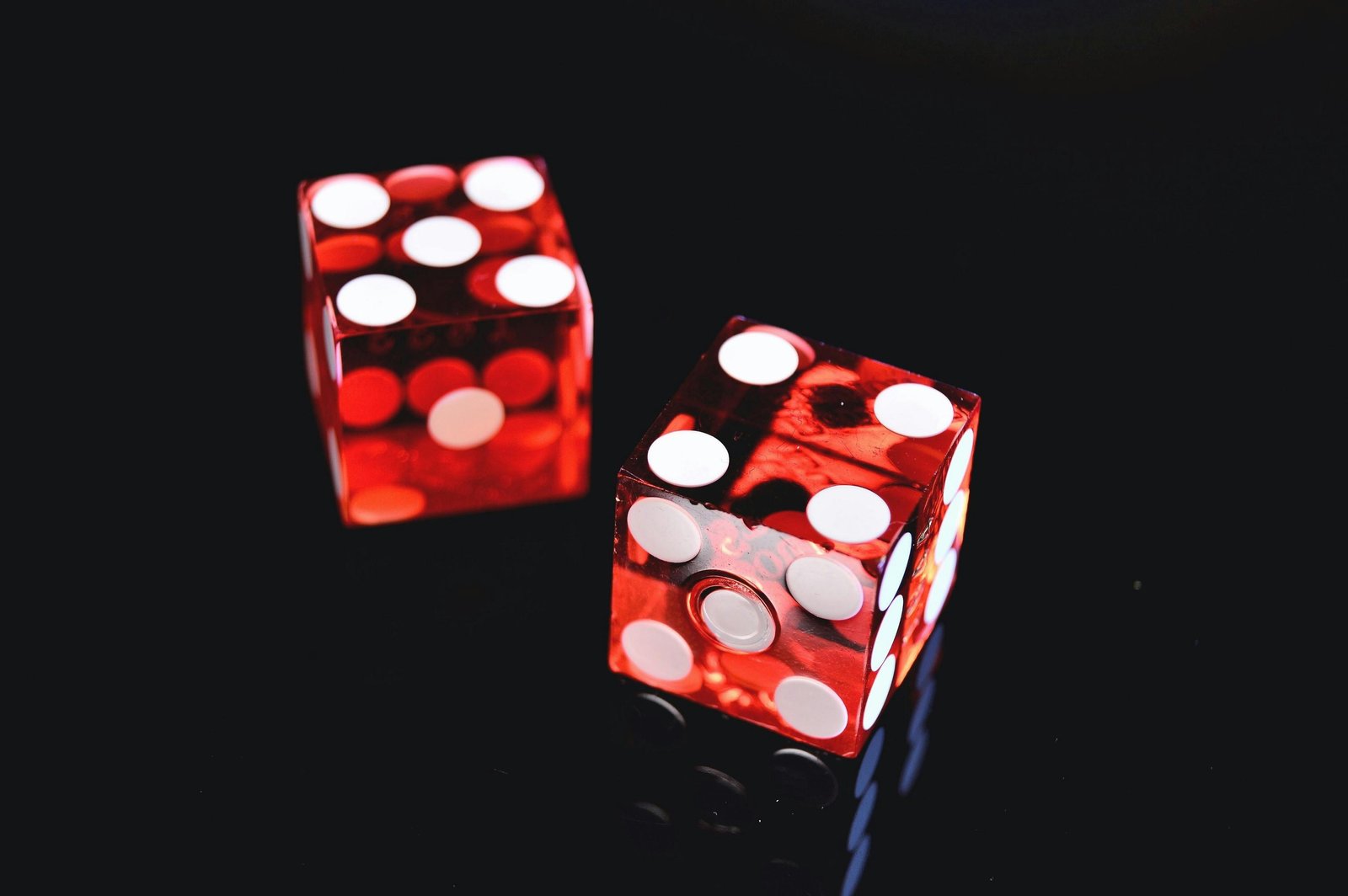
Colors have always been a fascinating aspect of our world, impacting everything from fashion trends to psychological responses. When we delve deeper into the realms of probability and chances, we uncover a whole new dimension of how colors can play a significant role. In this blog post, we will explore the various perspectives and controversies surrounding colors and their connection to probability. **The Psychology of Color** Colors have long been associated with specific meanings and emotions. For example, red is often linked to passion and energy, while blue is considered calming and trustworthy. These psychological associations with colors can influence decision-making processes, including those related to taking chances and calculating probabilities. **Color in Probability Analysis** In the field of probability and statistics, colors can be used to represent different categories or outcomes. For instance, in a simple card game, red cards could represent one type of outcome, while black cards signify another. By assigning colors to various elements in a probabilistic system, we can visually represent the different possibilities and make calculations more accessible and intuitive. **Controversies in Color-Based Probability** While using colors in probability analysis can be a helpful tool, it is not without controversy. Some critics argue that assigning colors to specific outcomes can introduce biases and subjective interpretations that may impact the accuracy of calculations. Additionally, different cultures may have varying associations with colors, leading to potential misunderstandings in a global context. **The Role of Chance in Color Perception** When we consider the element of chance in color perception, we enter a realm where individual differences and unique perspectives come into play. Our perception of color can be influenced by a myriad of factors, including cultural upbringing, personal experiences, and genetic predispositions. This subjectivity adds a layer of complexity to how colors are interpreted and applied in probability scenarios. **Future Directions in Color and Probability Research** As technology advances and interdisciplinary research grows, we can expect to see further exploration of the relationship between colors and probability. Machine learning algorithms may leverage color data to optimize decision-making processes, while neuroscientists may uncover new insights into how our brains process color-related information. In conclusion, colors offer a rich tapestry of possibilities when intertwined with the realms of probability and chance. By embracing diverse perspectives and acknowledging potential controversies, we can harness the power of colors to enhance our understanding of probability and make informed decisions in a colorful world. Stay tuned for more exciting discoveries at the intersection of colors and probability!
Leave a Comment:
SEARCH
Recent News
- Zurich, Switzerland and Tunisia are two countries that are geographically distant but connected through various global issues and news events. Let's take a look at some of the recent news coming out of these two diverse locations.
- YouTube Content Creation and Translation: Covering Tunisia News
- YouTube Channel Spotlight: Tunisia News
- The World Cup is an exciting event that brings together countries from around the world to compete in the world's most popular sport, soccer. And for Tunisia, a North African country with a passionate fan base, the World Cup is a chance to shine on the global stage.
- Fostering Work Skills Development in Tunisia: Latest News and Updates
- The Rise of Women in Tunisian Politics: Empowering Voices for Change
- Fatigue is a common issue that many women in Tunisia face on a daily basis. Whether it's due to the demands of work, family responsibilities, or social pressures, women often find themselves feeling tired and exhausted. In this blog post, we will explore the issue of women fatigue in Tunisia and discuss some potential solutions to help women overcome this challenge.
- Fashion Highlights: Women's Clothing Trends from Tunisia
READ MORE
10 months ago Category :

Zurich, Switzerland and Tunisia are two countries that are geographically distant but connected through various global issues and news events. Let's take a look at some of the recent news coming out of these two diverse locations.
Read More →10 months ago Category :

YouTube Content Creation and Translation: Covering Tunisia News
Read More →10 months ago Category :

YouTube Channel Spotlight: Tunisia News
Read More →10 months ago Category :
